Discover El Cucharon
El Cucharon sits quietly on Additional C. 2, Z9405 El Calafate, Santa Cruz, Argentina, and yet it has the kind of presence that travelers end up talking about long after they’ve left Patagonia. I first stopped here after a long day near the glaciers, cold, hungry, and honestly not expecting much beyond a warm plate and a decent glass of wine. What I got instead was a diner-style restaurant that balances tradition with comfort in a way that feels deeply local and refreshingly unpretentious.
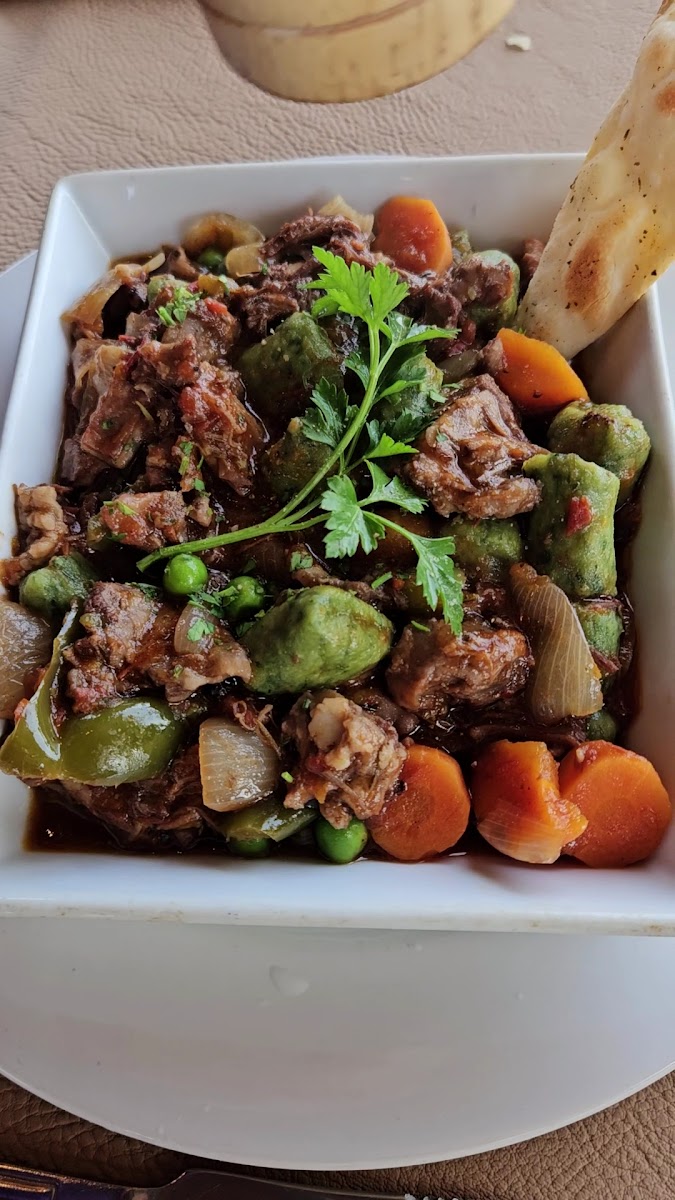
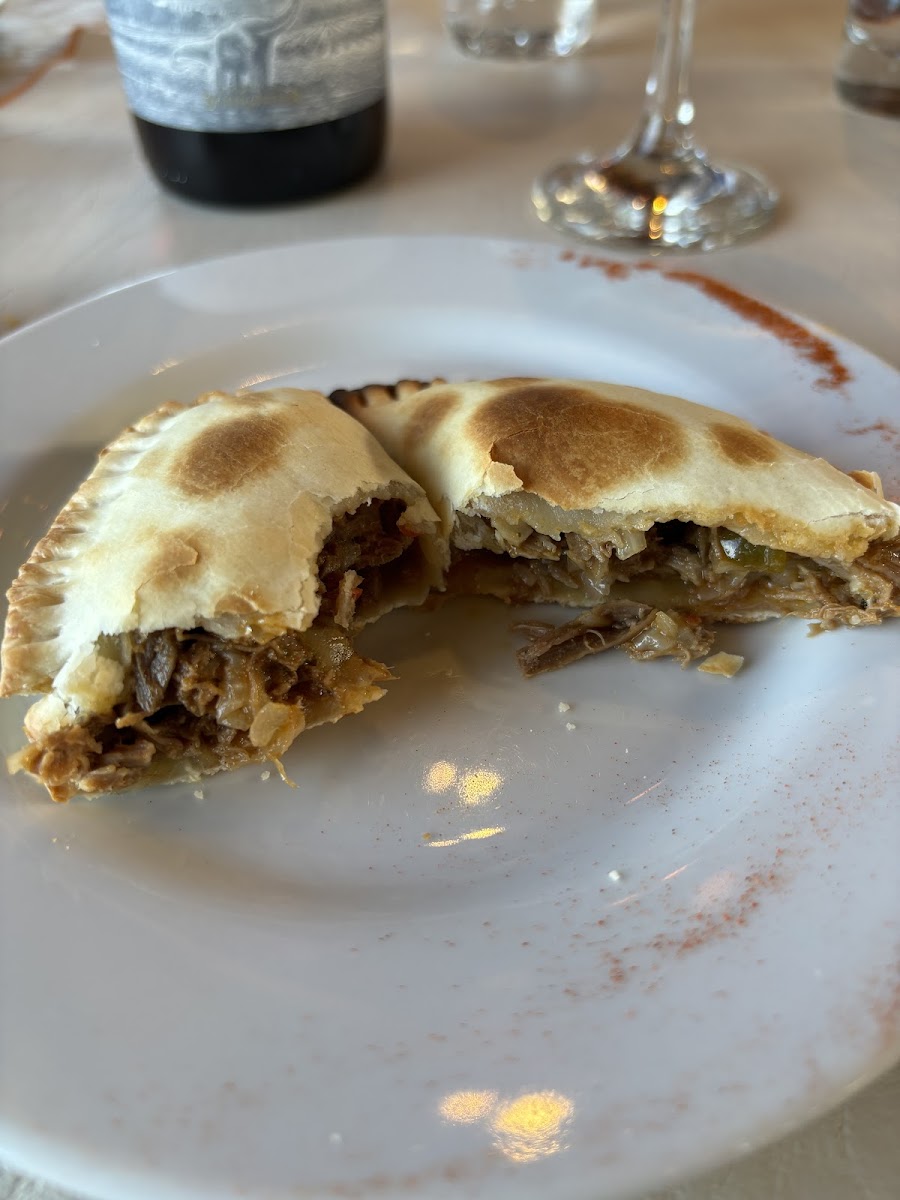
The menu leans heavily into Patagonian classics, and that’s where the kitchen shows real confidence. Slow-cooked Patagonian lamb is treated with patience rather than flair, using low heat and simple seasoning to let the meat speak for itself. This isn’t accidental. Many regional cooks follow methods passed down through family kitchens, relying on long roasting times and wood-fired techniques common across southern Argentina. According to data often referenced by Argentina’s Ministry of Agriculture, lamb and beef remain staples in the southern provinces, with preparation methods favoring slow cooking to preserve flavor and tenderness. You can taste that heritage here.
One thing that stands out immediately is consistency. On my second visit, I ordered the same dish to see if it would hold up, and it did. That reliability is something restaurant reviews often overlook, but it matters. Locals I spoke with mentioned they bring visiting relatives here because they know exactly what they’re getting. In a town that sees seasonal tourism spikes, that kind of dependability builds trust fast.
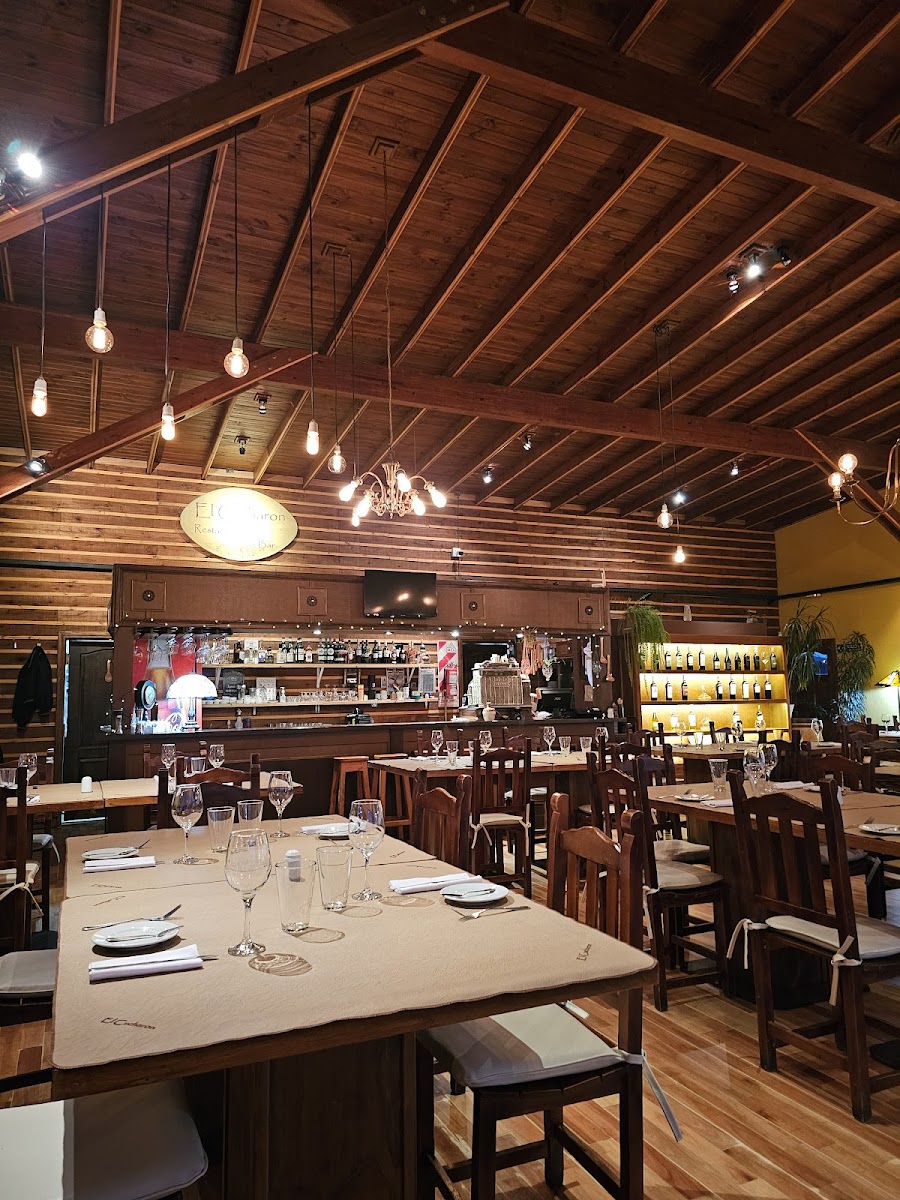
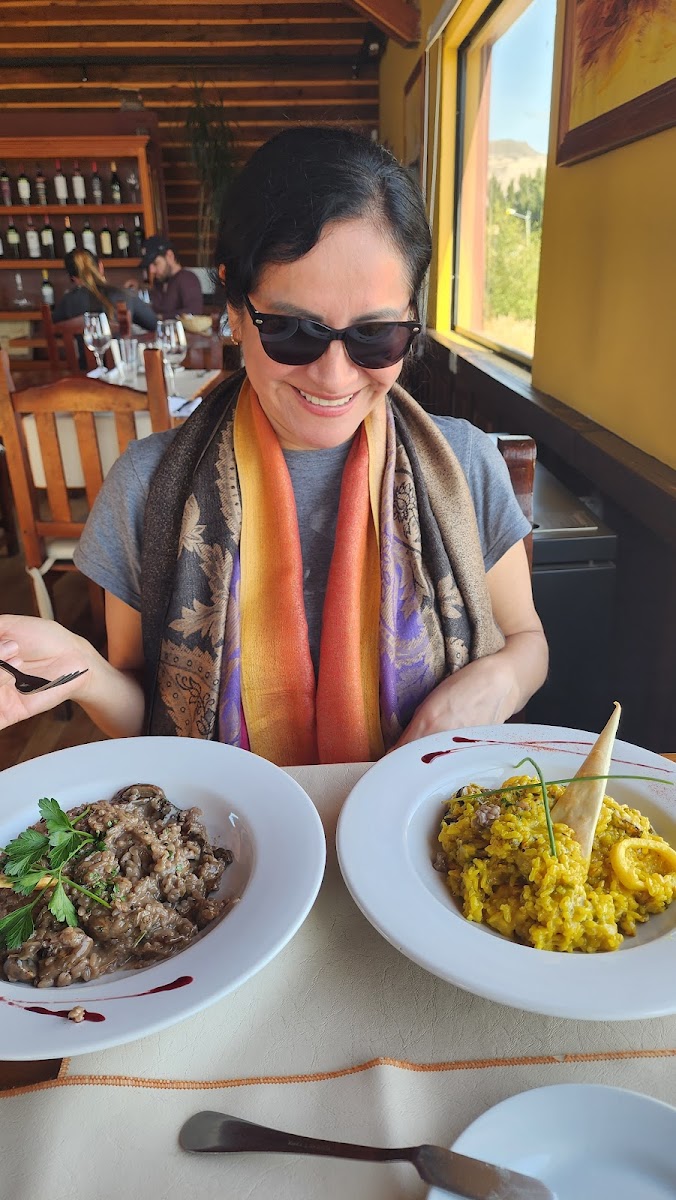
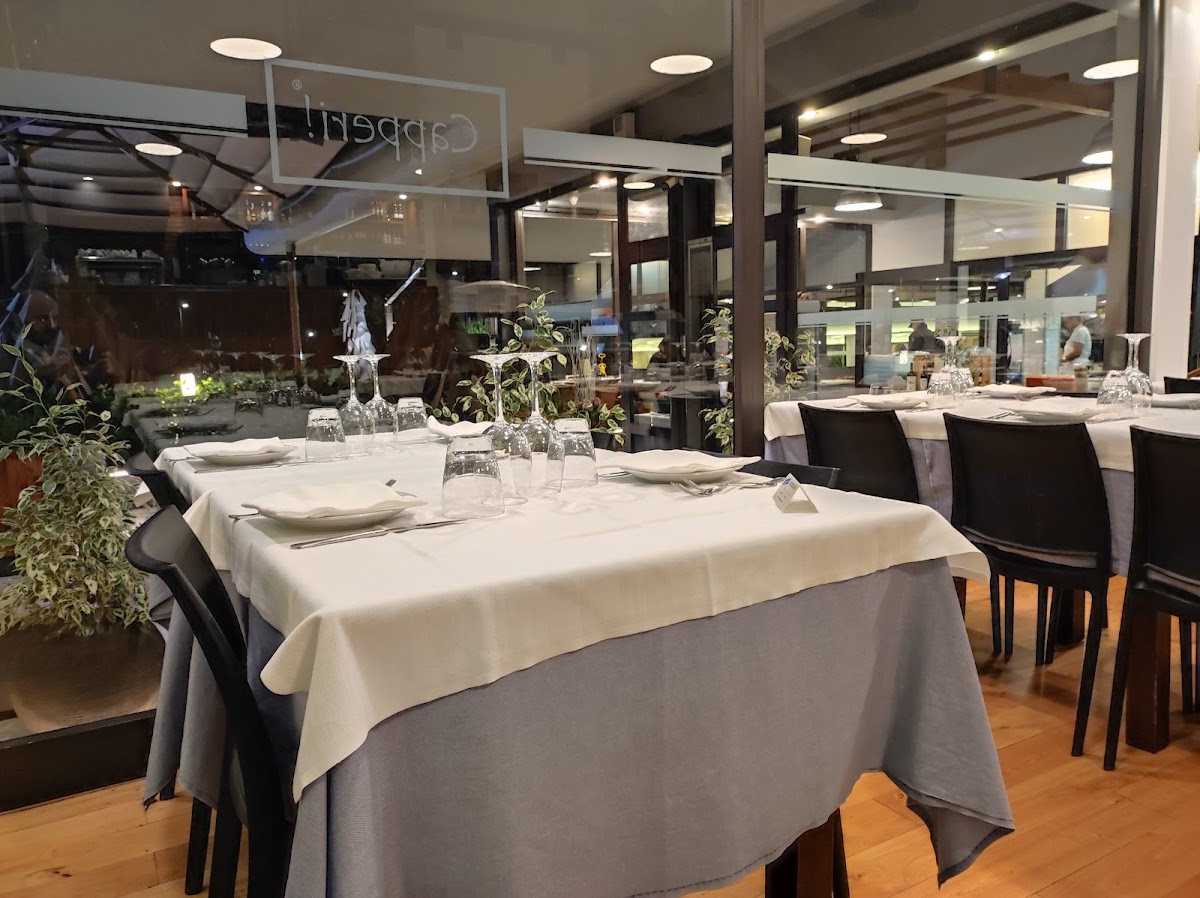
The dining room itself feels lived-in, not staged. Wooden tables, warm lighting, and the low hum of conversation make it easy to settle in. There’s no rush from the staff, which aligns with the broader Argentine dining culture where meals are meant to stretch and breathe. Service follows a clear process: orders are taken carefully, dishes arrive at a steady pace, and servers check in without hovering. It’s simple, but it works.
Location-wise, being in El Calafate makes this place especially appealing after a day of outdoor excursions. Many nearby restaurants cater almost exclusively to tourists, but here you’ll hear Spanish at most tables and see repeat customers. That mix adds credibility. Reviews across travel forums often highlight portion size and value, and those comments line up with what you experience in person. Plates are generous without being excessive, and prices reflect local standards rather than inflated visitor rates.
There are limitations worth noting. The menu doesn’t change often, which might disappoint diners looking for constant novelty. Also, if you’re expecting elaborate plating or experimental cuisine, this isn’t that kind of spot. But that’s also the point. The focus is on hearty food, familiar flavors, and a welcoming atmosphere rather than culinary trends.
From an expertise standpoint, the kitchen’s strength lies in execution, not reinvention. Techniques like controlled roasting and resting meat properly are basic culinary principles taught in professional cooking schools and endorsed by chefs across Argentina’s asado culture. Organizations such as the Argentine Gastronomic Association often emphasize preserving regional food identities, and this restaurant clearly aligns with that philosophy.
Trust builds easily here because expectations are met honestly. What you see on the menu is what arrives at the table, prepared with care and respect for tradition. While I can’t personally verify every ingredient source, staff have openly mentioned working with regional suppliers when available, which is common practice in southern Patagonia. That transparency, even with its natural limits, adds to the overall sense of reliability.
Between the straightforward menu, the grounded location, and the steady stream of positive reviews, this diner earns its reputation the old-fashioned way-by doing a few things well, over and over, and letting the food speak louder than the décor.